Difference between revisions of "Kremo Family"
From Circopedia
| (43 intermediate revisions by 3 users not shown) | |||
| Line 1: | Line 1: | ||
| + | [[File:Kremo_troup.jpg|right|400px]] | ||
==Icarists (Risley Act)== | ==Icarists (Risley Act)== | ||
''By Dominique Jando'' | ''By Dominique Jando'' | ||
| − | The Kremos, a | + | |
| + | The Kremos, a Czech family of acrobats, produced two generations of remarkable icarists, followed by two generations of remarkable jugglers, [[Béla Kremo]], and his son, [[Kris Kremo|Kris]]. All of them have been important circus and variety stars in Europe in the nineteenth and twentieth centuries, and Kris Kremo, who also became a celebrated international star in America as well as in Europe, continued the tradition well into the twenty-first century. | ||
| + | |||
| + | ===Josef Kremka=== | ||
| + | |||
| + | [[File:The_Kremo_Family.jpeg|thumb|left|300px|Poster for the Kremo Family Troupe]]The original Kremo troupe was created around 1880 by Josef Kremo (1854-1917), whose real name name was Kremka. His family was of Czech origins—at a time when Czechoslovakia was part of the Austro-Hungarian Empire. By age ten, Josef Kremka had been apprenticed to the [[The Scheffers|Scheffers]], an Austrian family of talented acrobats who performed the best and most celebrated Risley act of the late 19th century. (Their name's correct spelling was ''Schäffer'', but was generally spelled ''Scheffer'' in the circus and variety business) | ||
| + | |||
| + | Josef eventually left the Scheffers, and being a polyvalent circus performer, he went to work in any capacity that was required: on the trapeze, the high wire (he performed on stilts on the wire), as a contortionist, and as a tumbler. In 1880 he married the equestrienne [[Franziska Allinger]] (1858-1940). Together, they had twelve surviving children: Sylvester (1881-1962), Karl (1882-1958), Elvira (known as Ella, 1884-1973), Karolina (known as Lina, 1885-1945), Eugenie, Mark (1888-1945), Franziska, the twins Victor and Leon, Siegfried, and two others whose name are not known. | ||
| + | |||
| + | As was (and still is) the tradition in the circus, they all started training at an early age—although only ten of Josef's children eventually embraced a circus career. As they grew up, they began to join their father in the ring and performed with him a Risley act which was at first composed of Josef and his two elder sons, Sylvester and Karl. As it was, the ''Kremo Truppe Ikarischen'' ("Kremo Troupe's Icarists")—the very first Kremo Troupe—appeared around 1890. | ||
| + | |||
| + | In time, Sylvester and Karl were joined by other siblings—among whom Anton, Franziska, and Viktor could perform a triple somersault on the feet of their father, the most difficult trick of the specialty, then as now. The Kremo Troupe became famous and worked all over the world, including the United States and Australia. At some point at the beginning of the twentieth century, Josef fell ill and was eventually confined to a wheelchair. The original Kremo Troupe was dissolved in 1915, and Josef died on December 26, 1917, in Groß Köris, south of Berlin, in Germany, which had become the family seat. | ||
| + | |||
| + | ===The Kremo Dynasty=== | ||
| + | |||
| + | [[File:Kremo_karl_1933.jpg|thumb|right|300px|Karl Kremo Troupe (1933)]]Ella Kremo became a tight-wire acrobat and made her debut as such in Ganz, Austria, in 1901. She was one of the very few women (if not the only one known at the time) to perform a somersault on the wire. She married a photographer, Johann Hötzl. Lina Kremo also had her own career with an act titled ''Kremolina & Partner'', in which she danced with her brother Franz, and which became ''La Kremolina and Darras'' when she left the family act and married Otto Darras in 1926. | ||
| + | |||
| + | At least two of the Kremo children, Sylvester and Karl, eventually went on to create their own Risley acts, and continued the family tradition. The Sylvester Kremo Family troupe consisted of Sylvester and his daughters, Sylvia and Selna. The Karl Kremo Family was a larger troupe, consisting of Karl, his brother Mark (1888-1945), his wife Margrit (née Hanus in Hungary, 1891-1923) and their children, Bellona, Béla, Bianca, and Bert, along with occasional partners. Both troupes brilliantly continued the Kremo tradition, performing in Europe's leading circuses and variety theaters until the 1930s. The Karl Kremo Family was the most famous of the two. | ||
| + | |||
| + | One of Karl's sons, Belá, became a famous juggler: Belá Kremo (1911=1979), "The Gentleman Juggler", an act he debuted in 1931. His son, Kris Kremo (b.1951), became in turn a world-famous juggler, and a true living legend who has maintained the name alive and at the zenith of juggling history. | ||
==See also== | ==See also== | ||
| − | * [[Bela Kremo|Béla Kremo]] | + | * Biographies: [[Bela Kremo|Béla Kremo]], [[Kris Kremo]] |
| − | + | * Oral History: [[Kris_Kremo_Interview_2007|Kris Kremo: interview]] with Dominique Jando (2007) | |
| − | * [[Kris_Kremo_Interview_2007| | + | |
| + | ==Image Gallery== | ||
| + | |||
| + | <Gallery> | ||
| + | Image:Kremo_troup.jpg|The Kremo Family | ||
| + | File:Elvira_Kremo.jpg|Ella Kremo (1910) | ||
| + | File:The_Kremo_Family.jpeg|The Kremo Family (c.1910) | ||
| + | Image:Les_Kremo.jpg|The Kremo Family (1913) | ||
| + | File:Karl_Kremo_Children.jpg|The Karl Kremo Troupe (c.1920) | ||
| + | File:Sylvester_Kremo_Family.jpg|The Sylvester Kremo Family (c.1920) | ||
| + | Image:Kremo_karl_1933.jpg|The Karl Kremo Family (1933) | ||
| + | </Gallery> | ||
| − | [[Category:Artists and Acts]] | + | [[Category:Artists and Acts|Kremo Family]][[Category:Risley Acts (Icarists)|Kremo Family]][[Category:Jugglers|Kremo Family]] |
Latest revision as of 05:44, 28 April 2026

Icarists (Risley Act)
By Dominique Jando
The Kremos, a Czech family of acrobats, produced two generations of remarkable icarists, followed by two generations of remarkable jugglers, Béla Kremo, and his son, Kris. All of them have been important circus and variety stars in Europe in the nineteenth and twentieth centuries, and Kris Kremo, who also became a celebrated international star in America as well as in Europe, continued the tradition well into the twenty-first century.
Josef Kremka
The original Kremo troupe was created around 1880 by Josef Kremo (1854-1917), whose real name name was Kremka. His family was of Czech origins—at a time when Czechoslovakia was part of the Austro-Hungarian Empire. By age ten, Josef Kremka had been apprenticed to the Scheffers, an Austrian family of talented acrobats who performed the best and most celebrated Risley actAct performed by Icarists, in which one acrobat, lying on his back, juggles another acrobat with his feet. (Named after Richard Risley Carlisle, who developed this type of act.) of the late 19th century. (Their name's correct spelling was Schäffer, but was generally spelled Scheffer in the circus and variety business)
Josef eventually left the Scheffers, and being a polyvalent circus performer, he went to work in any capacity that was required: on the trapeze, the high wireA tight, heavy metallic cable placed high above the ground, on which wire walkers do crossings and various acrobatic exercises. Not to be confused with a tight wire. (he performed on stilts on the wire), as a contortionist, and as a tumbler. In 1880 he married the equestrienneA female equestrian, or horse trainer, horse presenter, or acrobat on horseback. Franziska Allinger (1858-1940). Together, they had twelve surviving children: Sylvester (1881-1962), Karl (1882-1958), Elvira (known as Ella, 1884-1973), Karolina (known as Lina, 1885-1945), Eugenie, Mark (1888-1945), Franziska, the twins Victor and Leon, Siegfried, and two others whose name are not known.
As was (and still is) the tradition in the circus, they all started training at an early age—although only ten of Josef's children eventually embraced a circus career. As they grew up, they began to join their father in the ring and performed with him a Risley actAct performed by Icarists, in which one acrobat, lying on his back, juggles another acrobat with his feet. (Named after Richard Risley Carlisle, who developed this type of act.) which was at first composed of Josef and his two elder sons, Sylvester and Karl. As it was, the Kremo Truppe Ikarischen ("Kremo Troupe's Icarists")—the very first Kremo Troupe—appeared around 1890.
In time, Sylvester and Karl were joined by other siblings—among whom Anton, Franziska, and Viktor could perform a triple somersault on the feet of their father, the most difficult trickAny specific exercise in a circus act. of the specialty, then as now. The Kremo Troupe became famous and worked all over the world, including the United States and Australia. At some point at the beginning of the twentieth century, Josef fell ill and was eventually confined to a wheelchair. The original Kremo Troupe was dissolved in 1915, and Josef died on December 26, 1917, in Groß Köris, south of Berlin, in Germany, which had become the family seat.
The Kremo Dynasty
Ella Kremo became a tight-wire acrobat and made her debut as such in Ganz, Austria, in 1901. She was one of the very few women (if not the only one known at the time) to perform a somersault on the wire. She married a photographer, Johann Hötzl. Lina Kremo also had her own career with an act titled Kremolina & Partner, in which she danced with her brother Franz, and which became La Kremolina and Darras when she left the family act and married Otto Darras in 1926.
At least two of the Kremo children, Sylvester and Karl, eventually went on to create their own Risley acts, and continued the family tradition. The Sylvester Kremo Family troupe consisted of Sylvester and his daughters, Sylvia and Selna. The Karl Kremo Family was a larger troupe, consisting of Karl, his brother Mark (1888-1945), his wife Margrit (née Hanus in Hungary, 1891-1923) and their children, Bellona, Béla, Bianca, and Bert, along with occasional partners. Both troupes brilliantly continued the Kremo tradition, performing in Europe's leading circuses and variety theaters until the 1930s. The Karl Kremo Family was the most famous of the two.
One of Karl's sons, Belá, became a famous juggler: Belá Kremo (1911=1979), "The Gentleman Juggler", an act he debuted in 1931. His son, Kris Kremo (b.1951), became in turn a world-famous juggler, and a true living legend who has maintained the name alive and at the zenith of juggling history.
See also
- Biographies: Béla Kremo, Kris Kremo
- Oral History: Kris Kremo: interview with Dominique Jando (2007)
Image Gallery
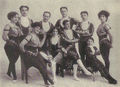
The Kremo Family
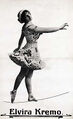
Ella Kremo (1910)
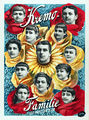
The Kremo Family (c.1910)
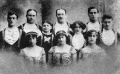
The Kremo Family (1913)
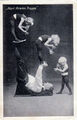
The Karl Kremo Troupe (c.1920)
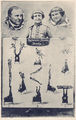
The Sylvester Kremo Family (c.1920)
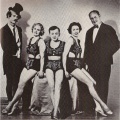
The Karl Kremo Family (1933)


